Bugatti in Yellow and Black
An evening built around the Chiron, its historical references, and the carefully staged world Bugatti builds around a modern grand routier of unusual force.

Bugatti rarely presents a car without also presenting a universe around it. The machinery matters, certainly, but so do the references, the materials, the lineage, and the choreography of how it is shown.
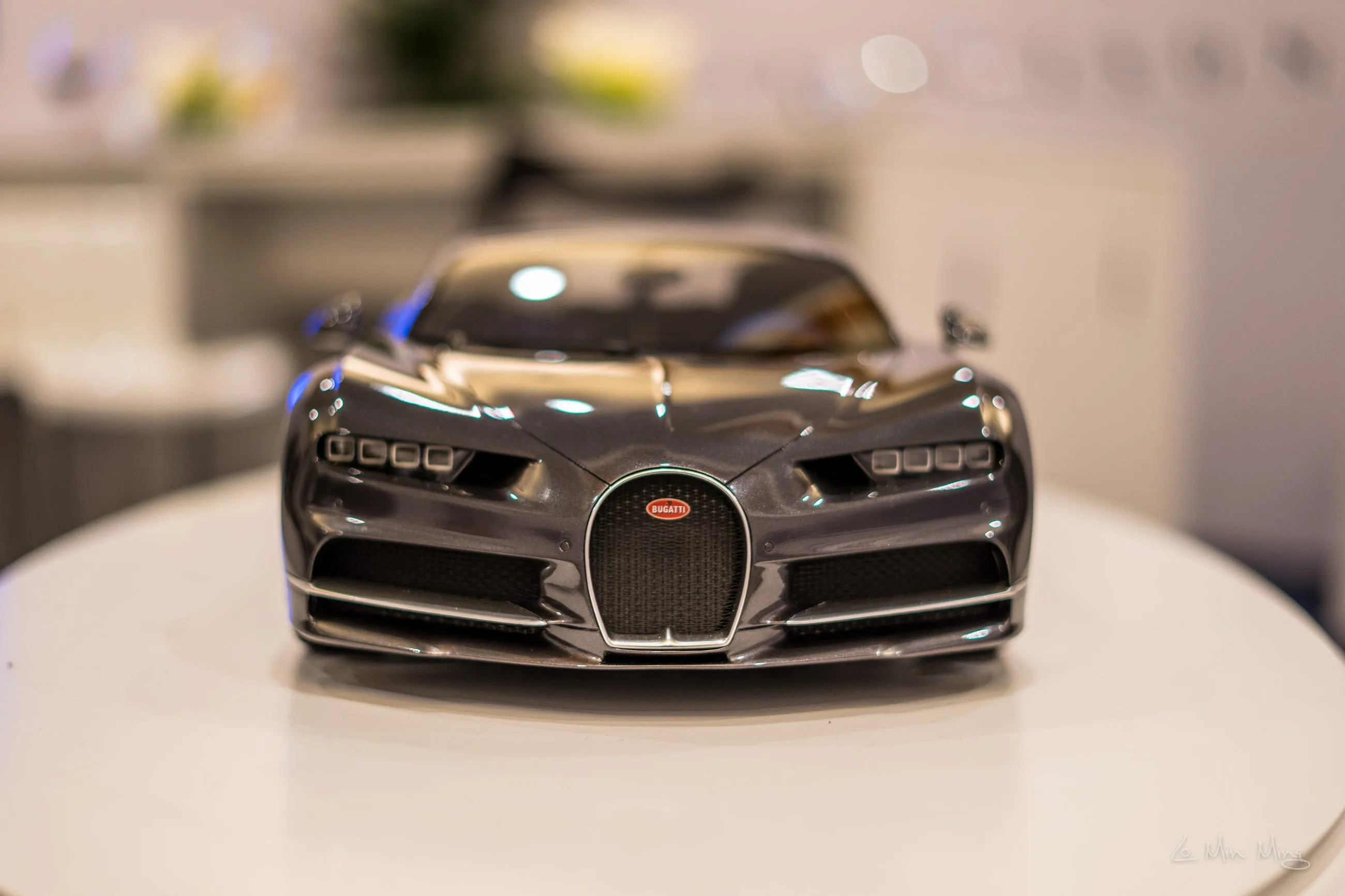
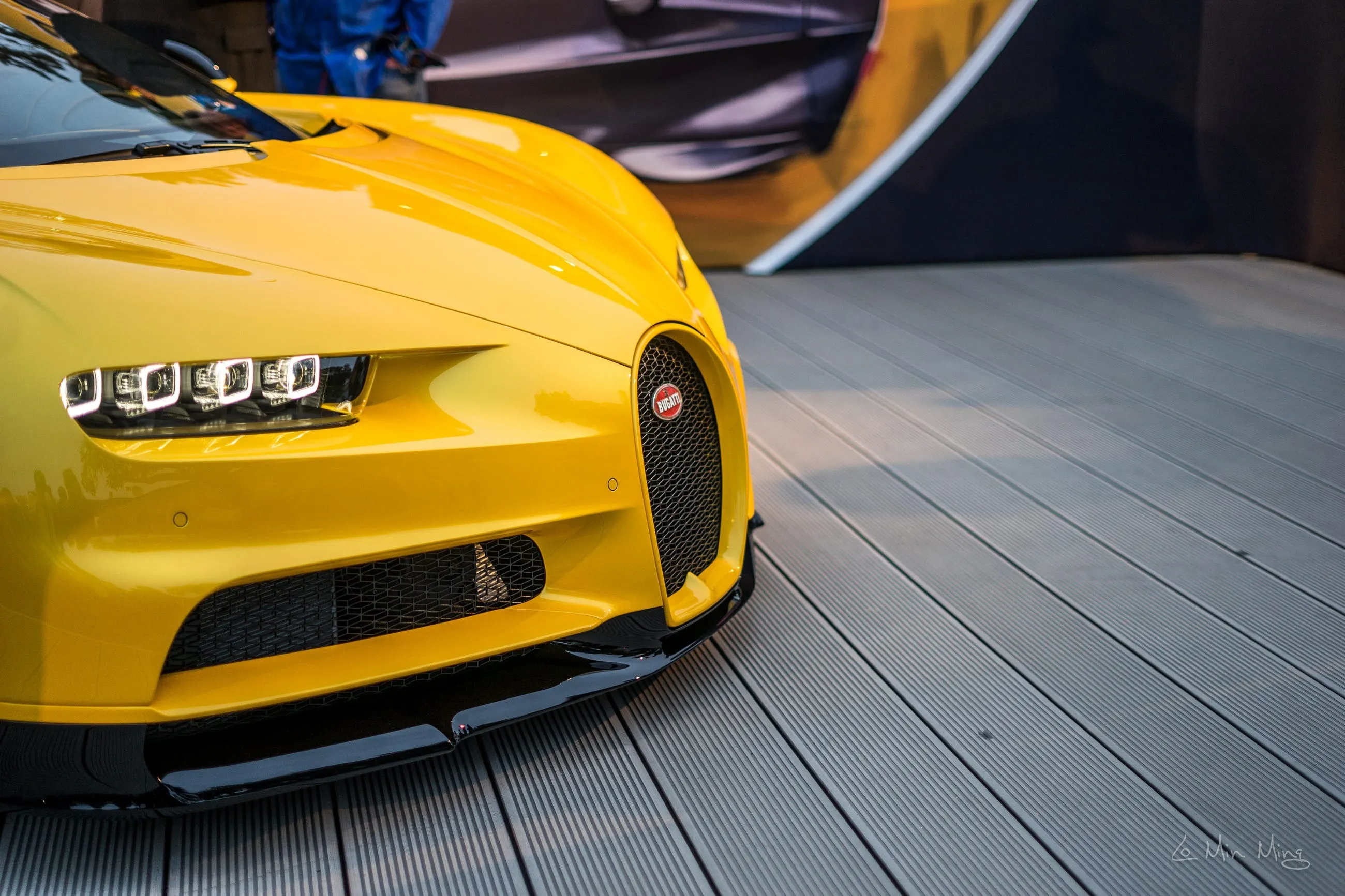
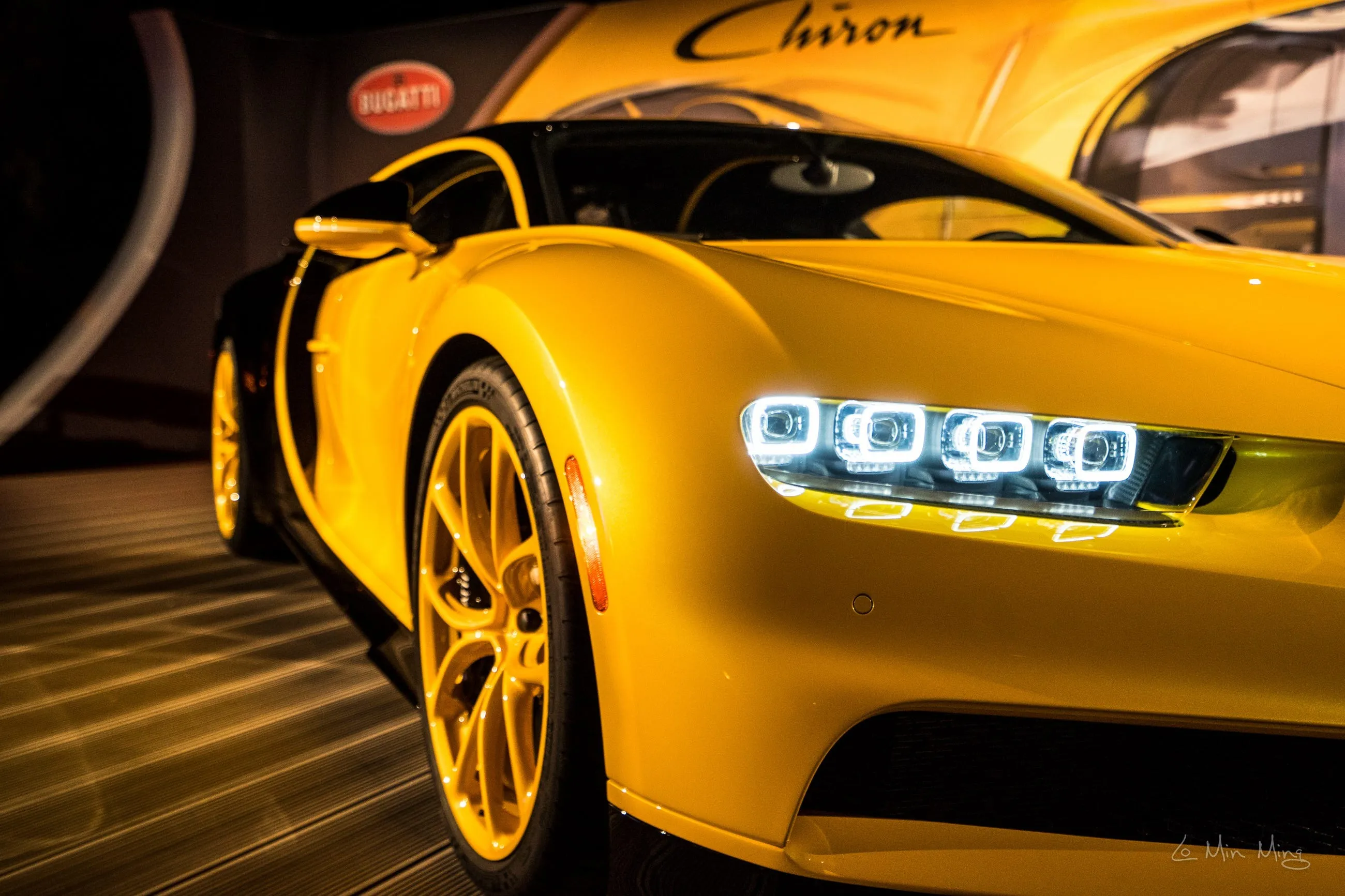
Here the focus was the Chiron, displayed in a yellow-and-black scheme that made its historical source legible at once. Bugatti has long understood that its modern cars gain depth when placed beside the prewar models that established the house style in the first place. Seen this way, color becomes more than decoration. It becomes a form of continuity.
The Chiron in Context
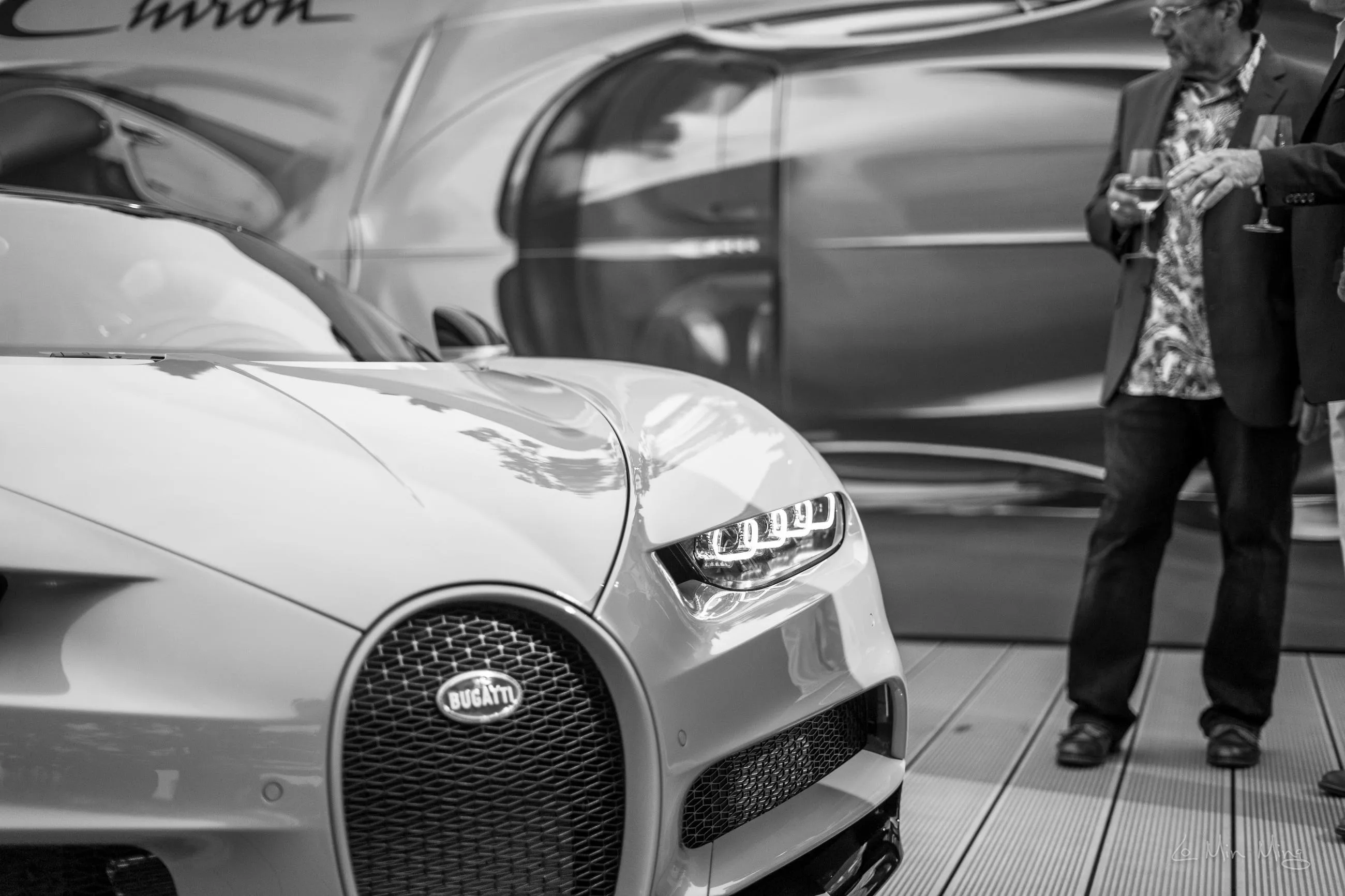
The Chiron remains one of the more curious achievements in modern automotive culture. It is not delicate, and it does not pretend to be. Instead it offers immense speed, deep material richness, and a kind of continental composure even when its engineering brief is plainly excessive.
That contrast is part of the car’s fascination. The surfaces are clean, the cabin precise, the craftsmanship substantial. Yet underneath sits an engineering proposition so outsized that it borders on the improbable.














The Prewar Reference
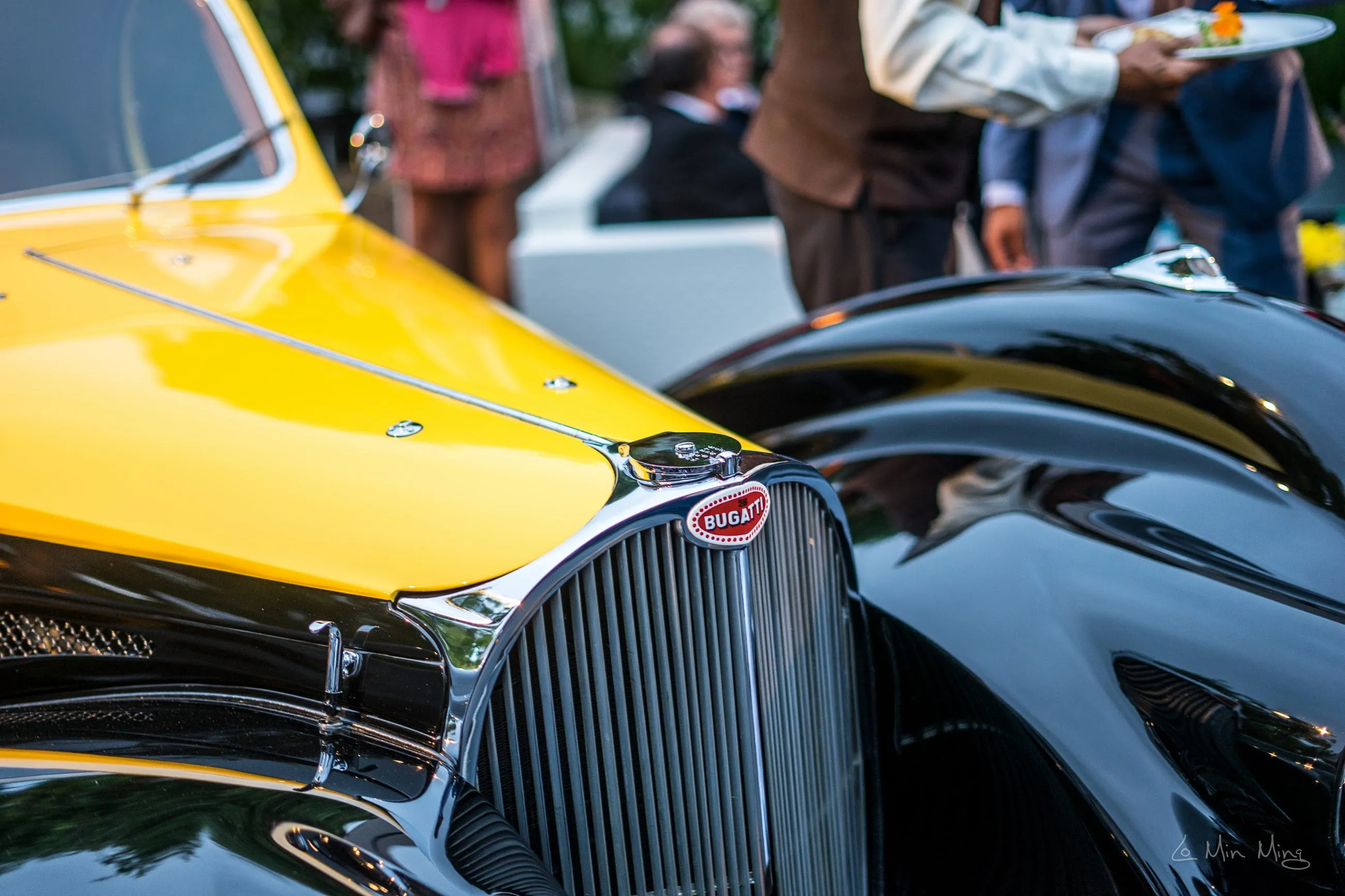
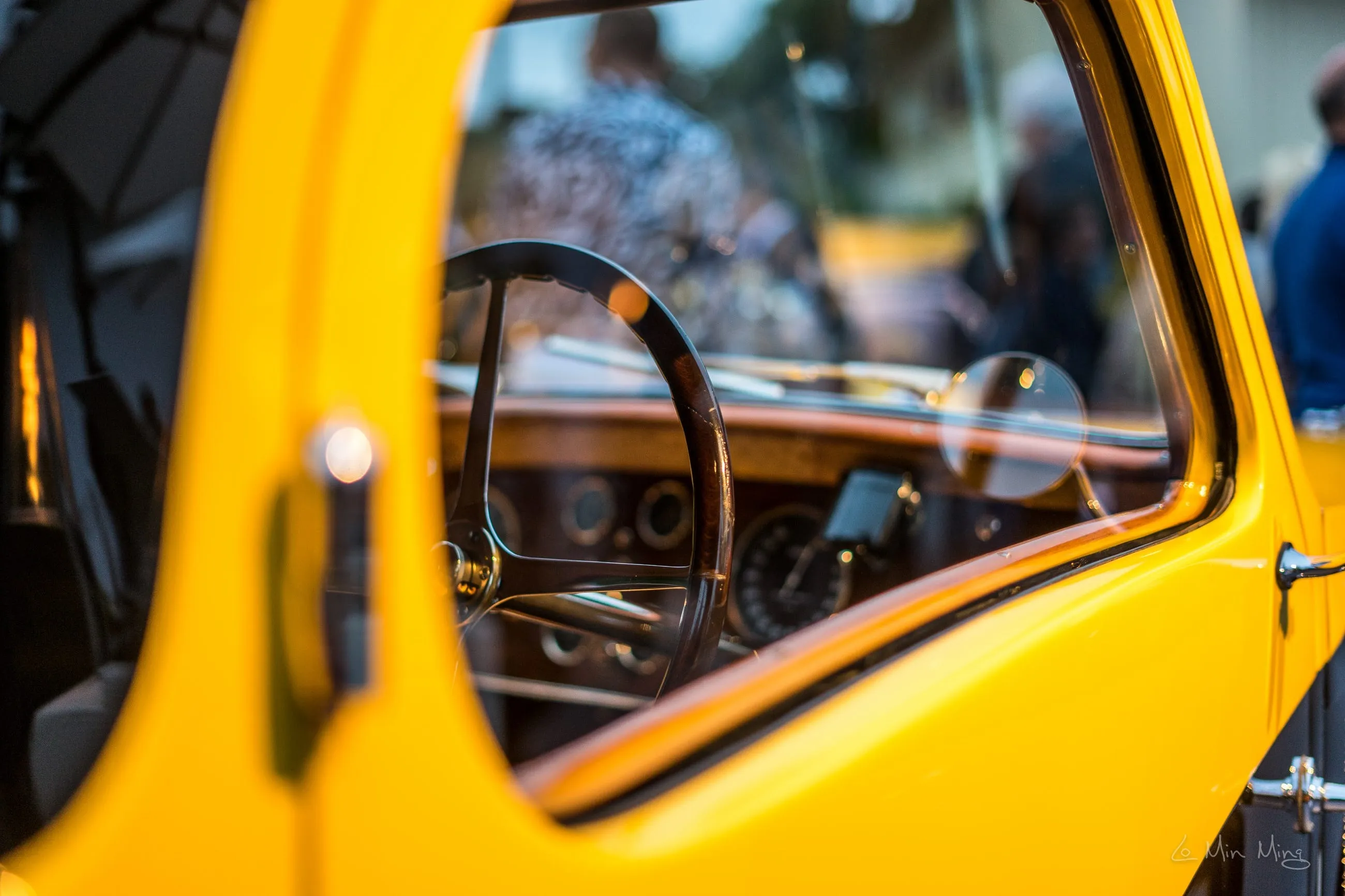
Placed nearby was a Bugatti Type 57S, the sort of car that explains the marque’s modern design instincts better than any press statement could. Long hood, narrow greenhouse, dramatic two-tone treatment, and a body of real visual gravity: the lineage is easy to see once the two cars share a room.
The juxtaposition works because both cars, despite the decades between them, are committed to a certain idea of Bugatti luxury. It is never merely comfort. It is performance expressed with ceremony.



The Surrounding Objects
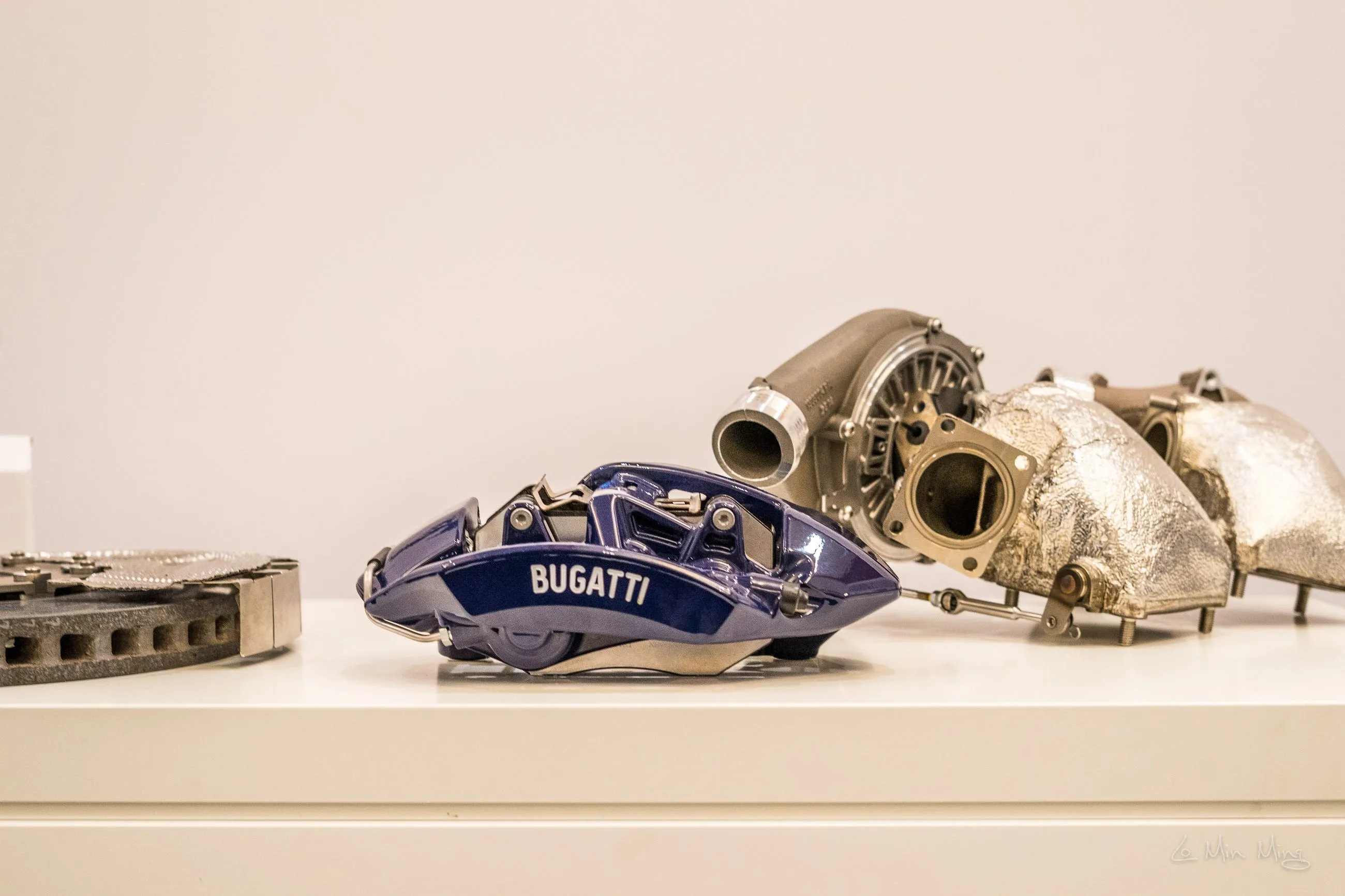
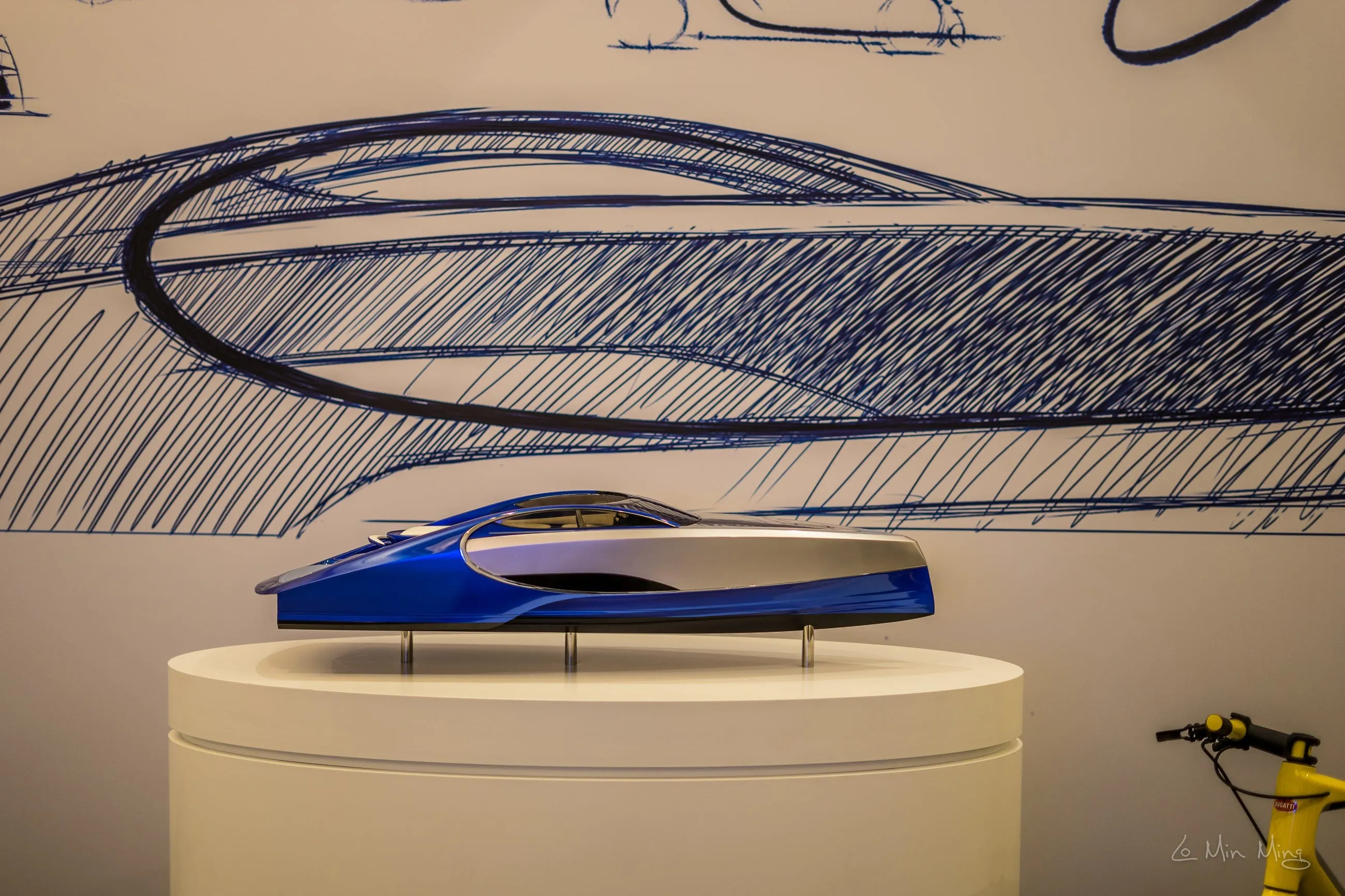
The accessories, sketches, luggage, and display pieces made clear that Bugatti was selling more than a car. It was presenting a complete decorative language, one in which metal finishes, leather tones, carbon textures, and historical drawings all support the same argument.
This sort of staging can easily become overwrought. Bugatti avoids that mostly because the central object is strong enough to justify the setting.