The Hammer at Quail Lodge
A closer look at a Quail Lodge sale led by a 1963 Jaguar E-Type Lightweight Competition Coupe and a McLaren F1, with Ferrari royalty and quieter collector pieces filling out the room.
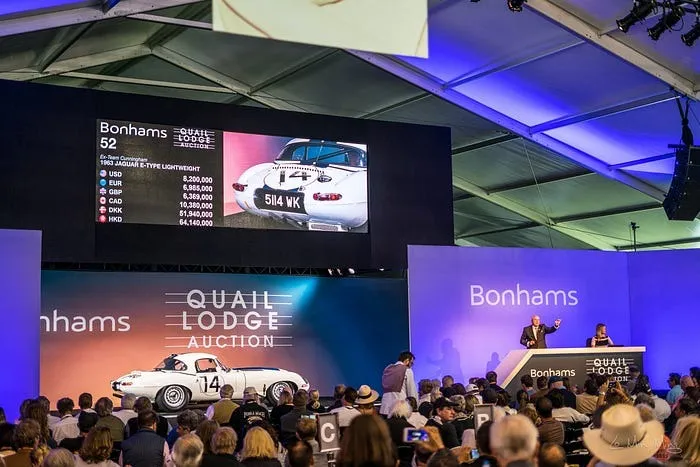
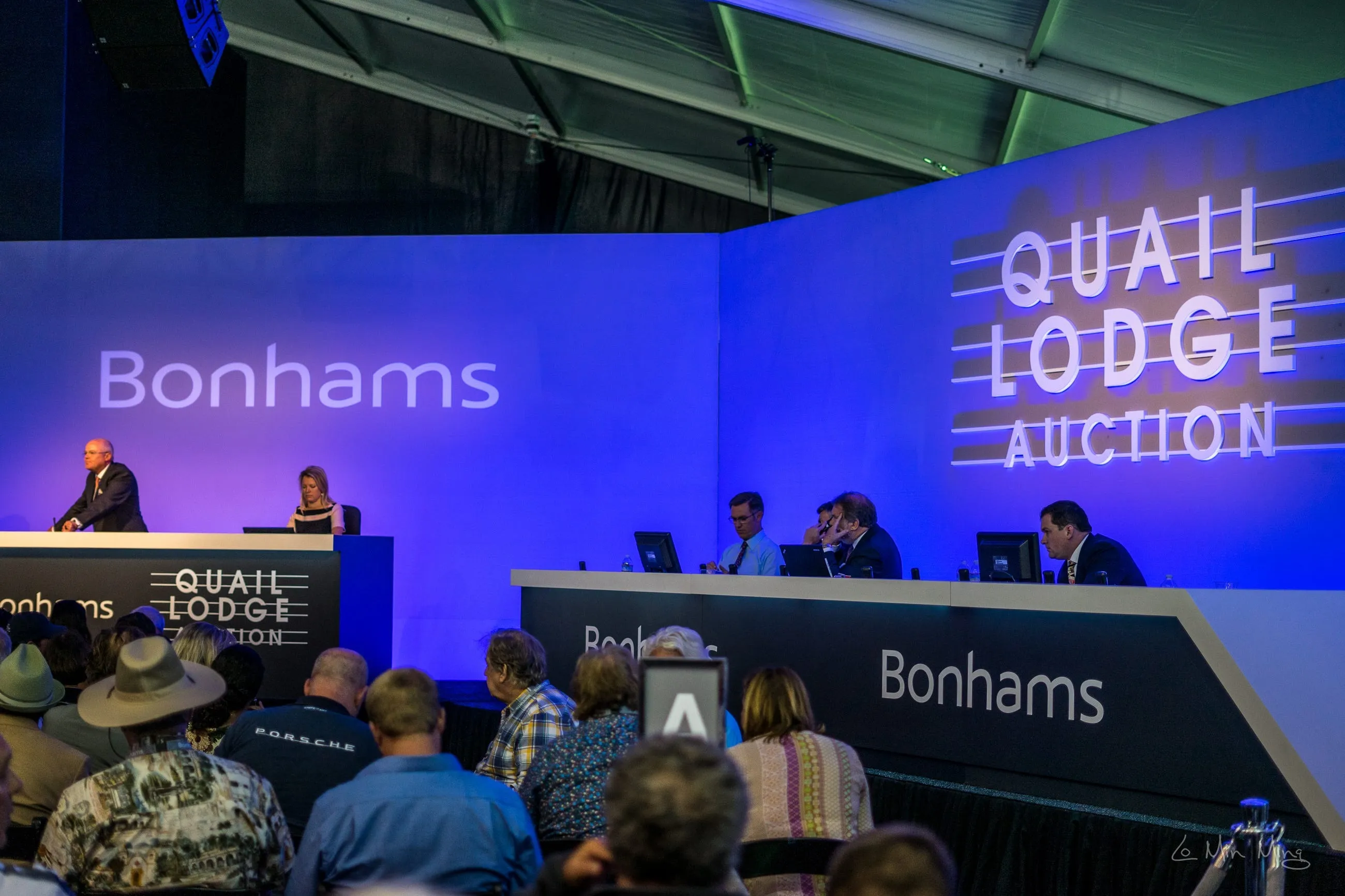
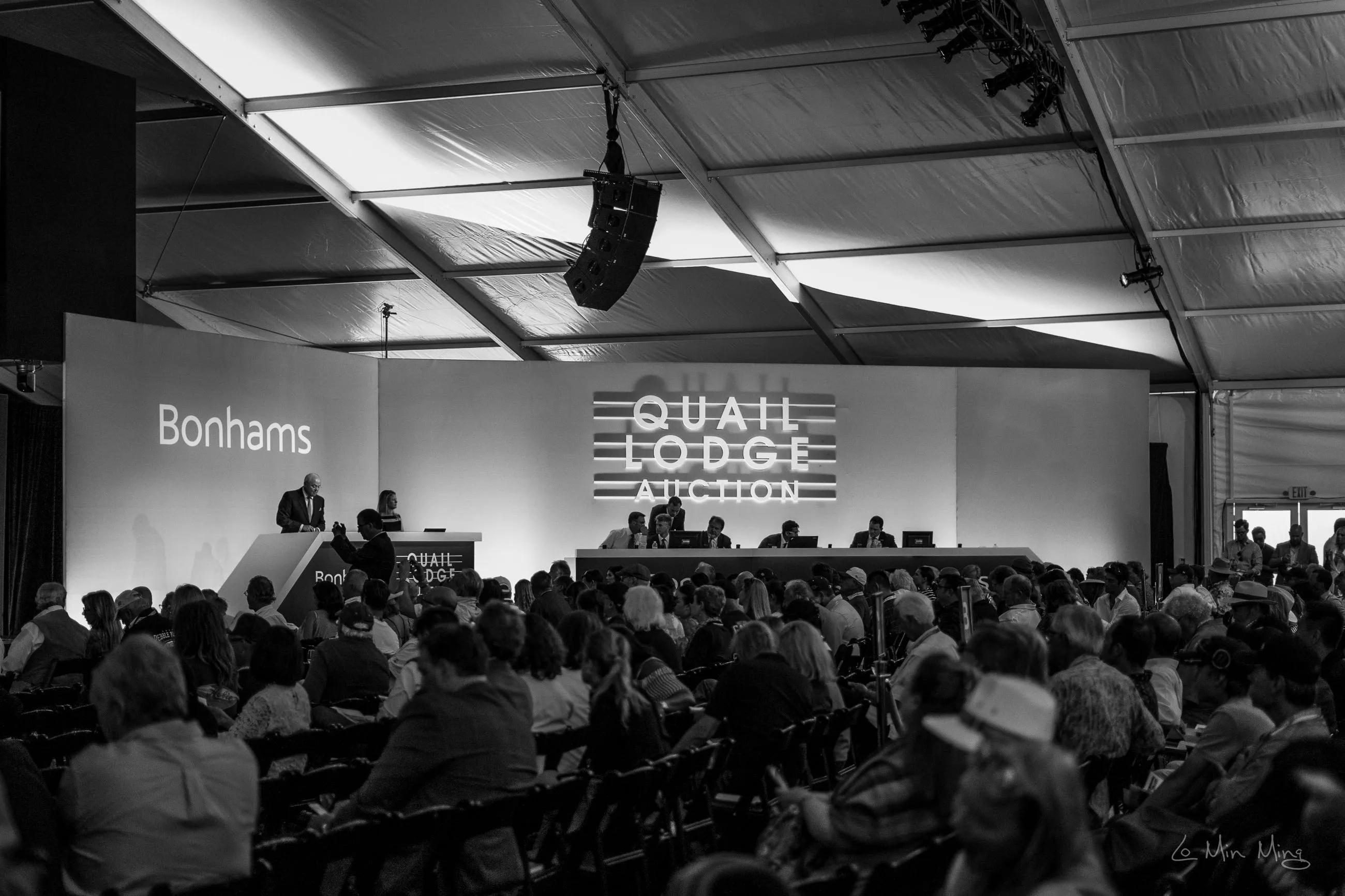
Some auctions reward spectacle. Others reward judgment. Quail Lodge has long been one of the places where both appear at once, with serious cars shown in bright California light and assessed with very little patience for fantasy.
The headline result was a 1963 Jaguar E-Type Lightweight Competition Coupe at $8.2 million, a figure that only begins to explain the car’s appeal. The Lightweight sits in a particularly coveted corner of postwar collecting: competition-bred, visually pure, mechanically important, and produced in vanishingly small numbers. When one appears with proper presence, the room tends to sharpen around it.
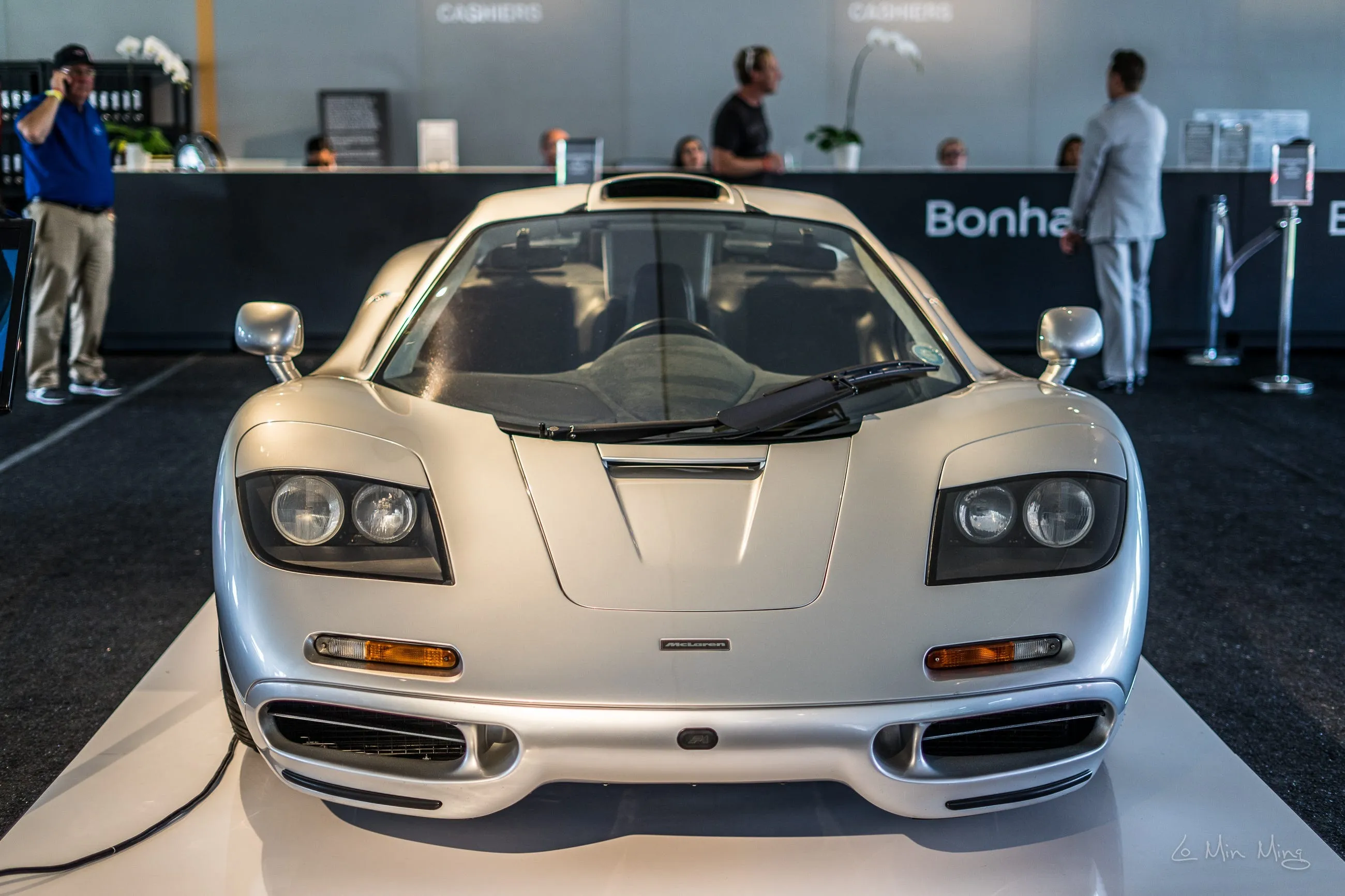
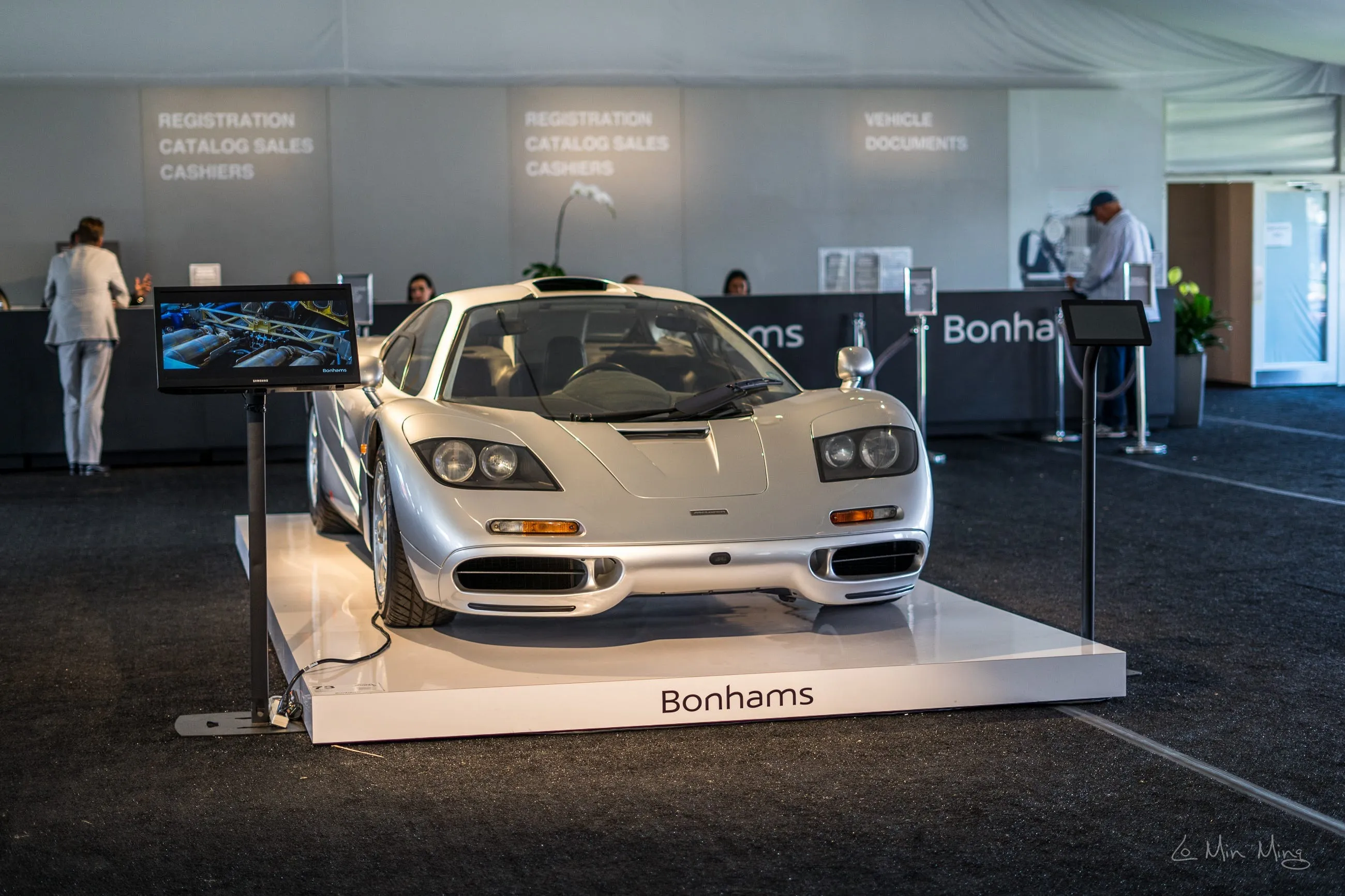
Yet even that Jaguar was not the top lot. That distinction belonged to a 1995 McLaren F1 Coupe at $15.6 million, a reminder that modern collector cars have now acquired their own settled aristocracy. The F1 no longer needs defending. Its central driving position, obsessive Gordon Murray engineering, naturally aspirated BMW V12, and tiny production place it beyond fashion and safely within canon.
The McLaren Standard
There are expensive cars, and then there are cars that reorganize the conversation around them. The McLaren F1 belongs to the second category. Even at a sale filled with blue-chip metal, it establishes its own scale of significance. The proportions are still startlingly clean, the cabin architecture remains one of the great acts of automotive conviction, and the engineering has aged into something rarer than innovation: authority.
Its result mattered not simply because of the number, but because it confirmed the continued strength of truly first-rank analog supercars. The F1 is not collected as nostalgia. It is collected because it still feels exact.
The Jaguar That Set the Tone
If the McLaren represented late-century technical purity, the Jaguar supplied the romance of the racing paddock. A Lightweight E-Type has the familiar grace of the standard road car, but thinned, sharpened, and disciplined for competition use. Alloy bodywork, reduced weight, and direct motorsport intent give it a different kind of beauty, one less social and more hard-edged.
That is the fascination of the best competition Jaguars. They combine British elegance with the unmistakable signs of use and adaptation. Even standing still, a Lightweight suggests the long arc from the D-Type era into the early 1960s, when Jaguar still understood how to make a racing car look almost effortless.
Ferrari, Properly Represented
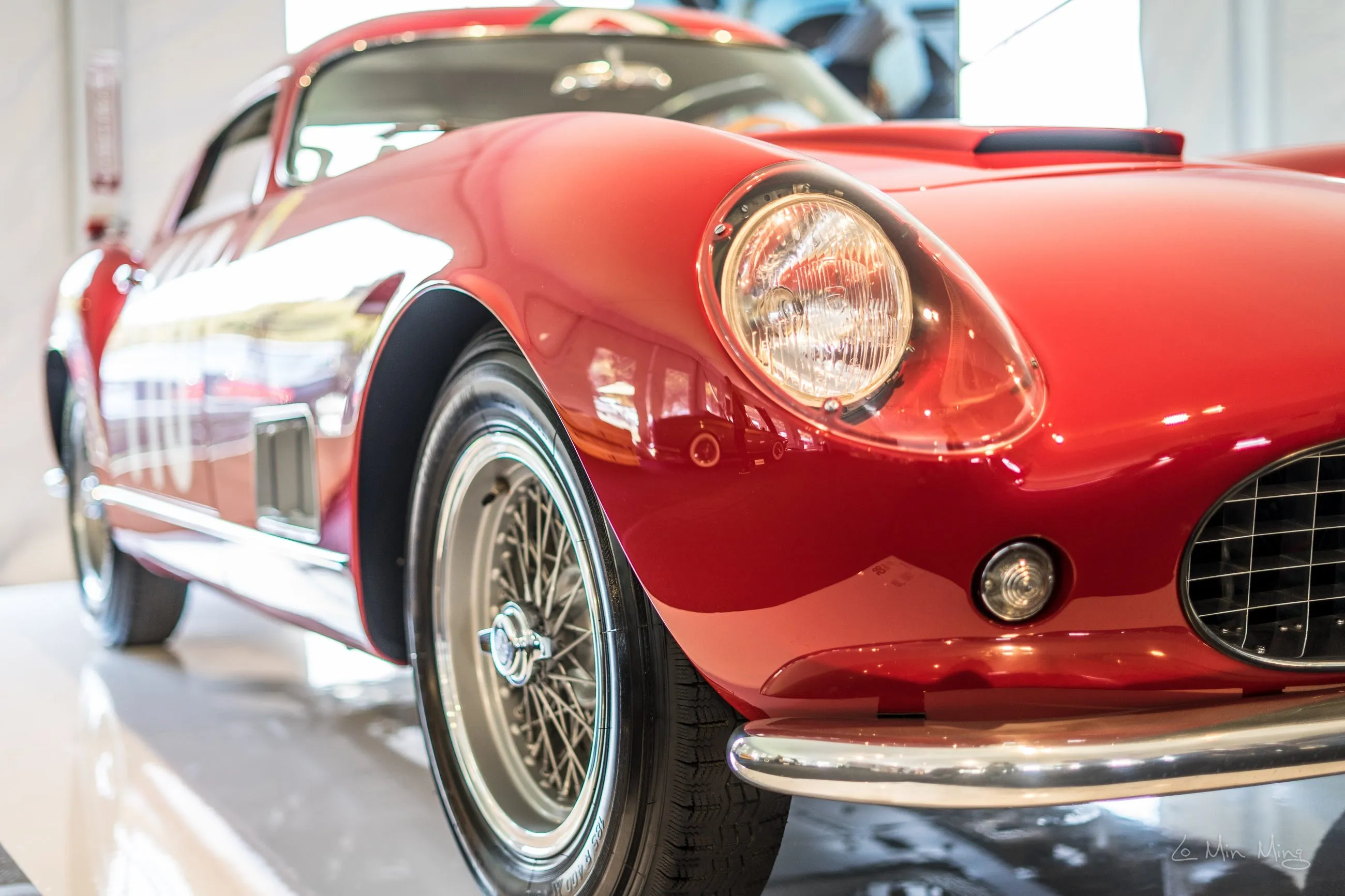
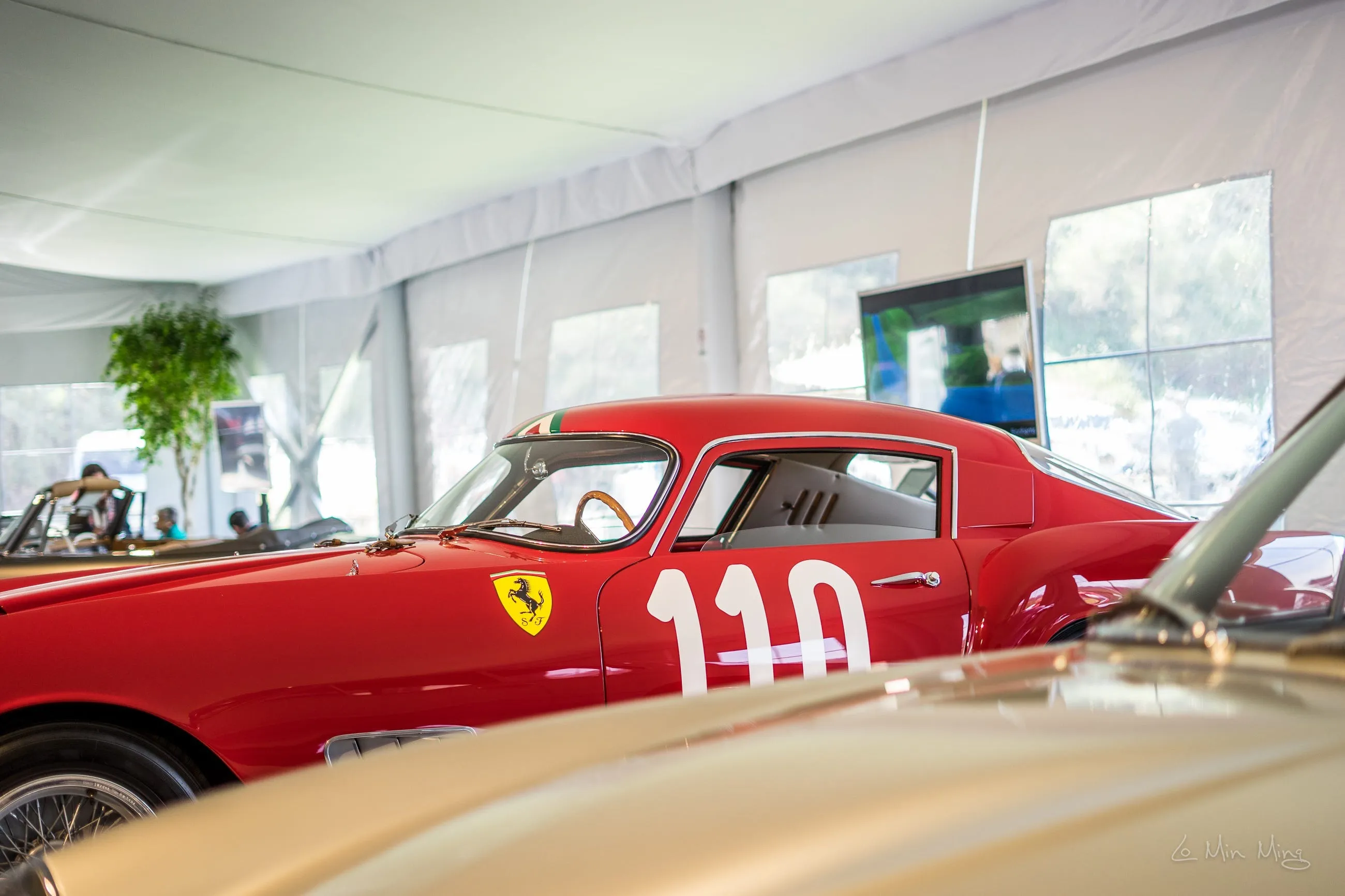
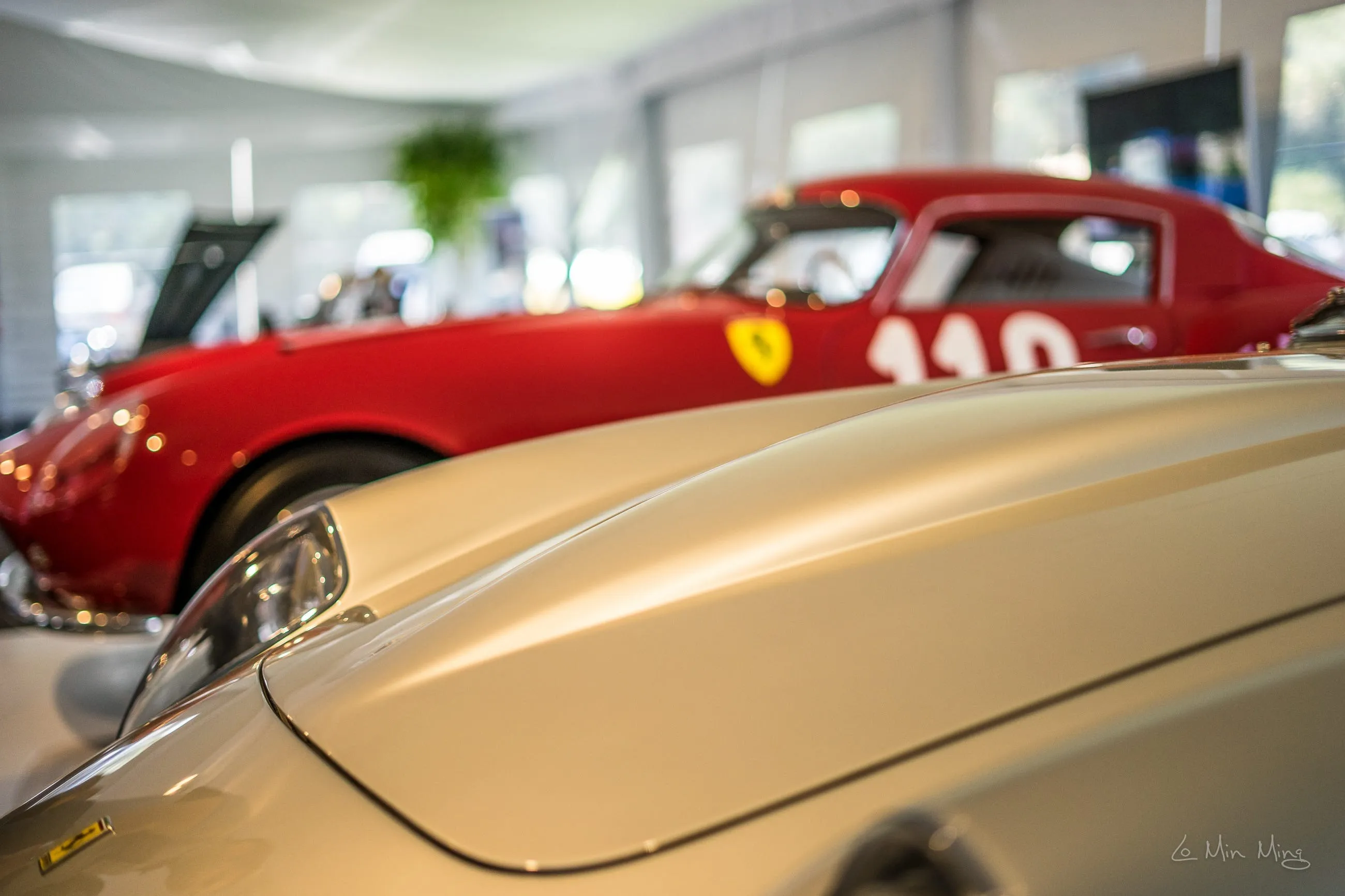
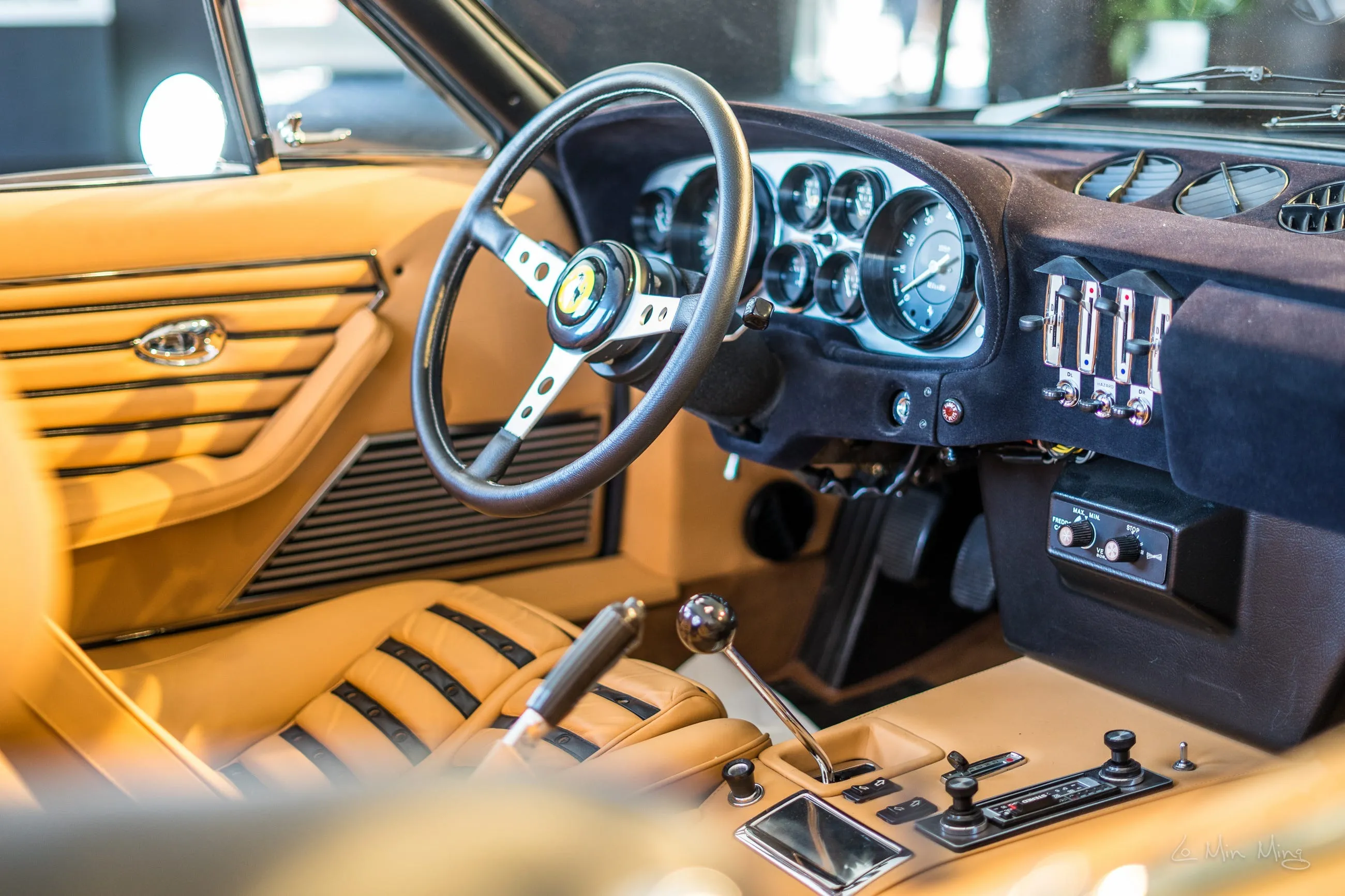
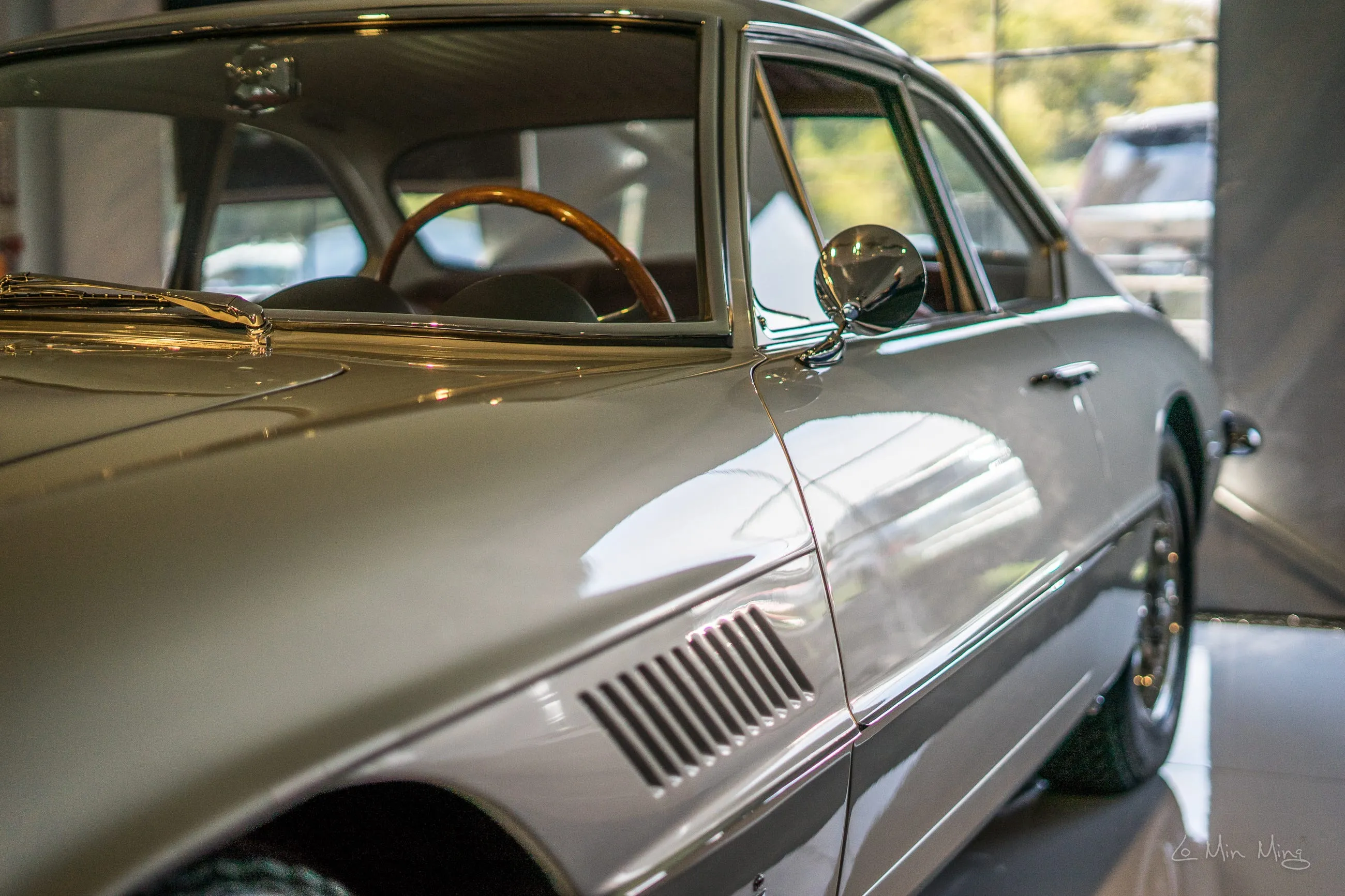
No serious sale of this sort feels complete without Ferrari from the company’s most assured decades, and the group here was well judged rather than merely assembled for effect. A 1965 Ferrari 275 GTB Alloy brought $3,080,000, a 1967 Ferrari 275 GTB/4 reached $2,519,000, and a 1956 Ferrari 250 GT Boano Coupe changed hands at $1,133,000.
The 275 lineage remains one of Maranello’s most attractive collector propositions because it balances nearly everything one wants in a front-engined Ferrari: Colombo V12 character, compact proportions, handsome coachwork, and real usability by period standards. The alloy-bodied GTB, in particular, carries a degree of intent that seasoned buyers immediately understand.
The Boano Coupe belongs to an earlier, more formal Ferrari mood. It lacks the coiled athleticism of the later berlinettas, but that is precisely the point. Cars such as this speak in a quieter register, where coachbuilt nuance and early Ferrari provenance matter more than outright drama.
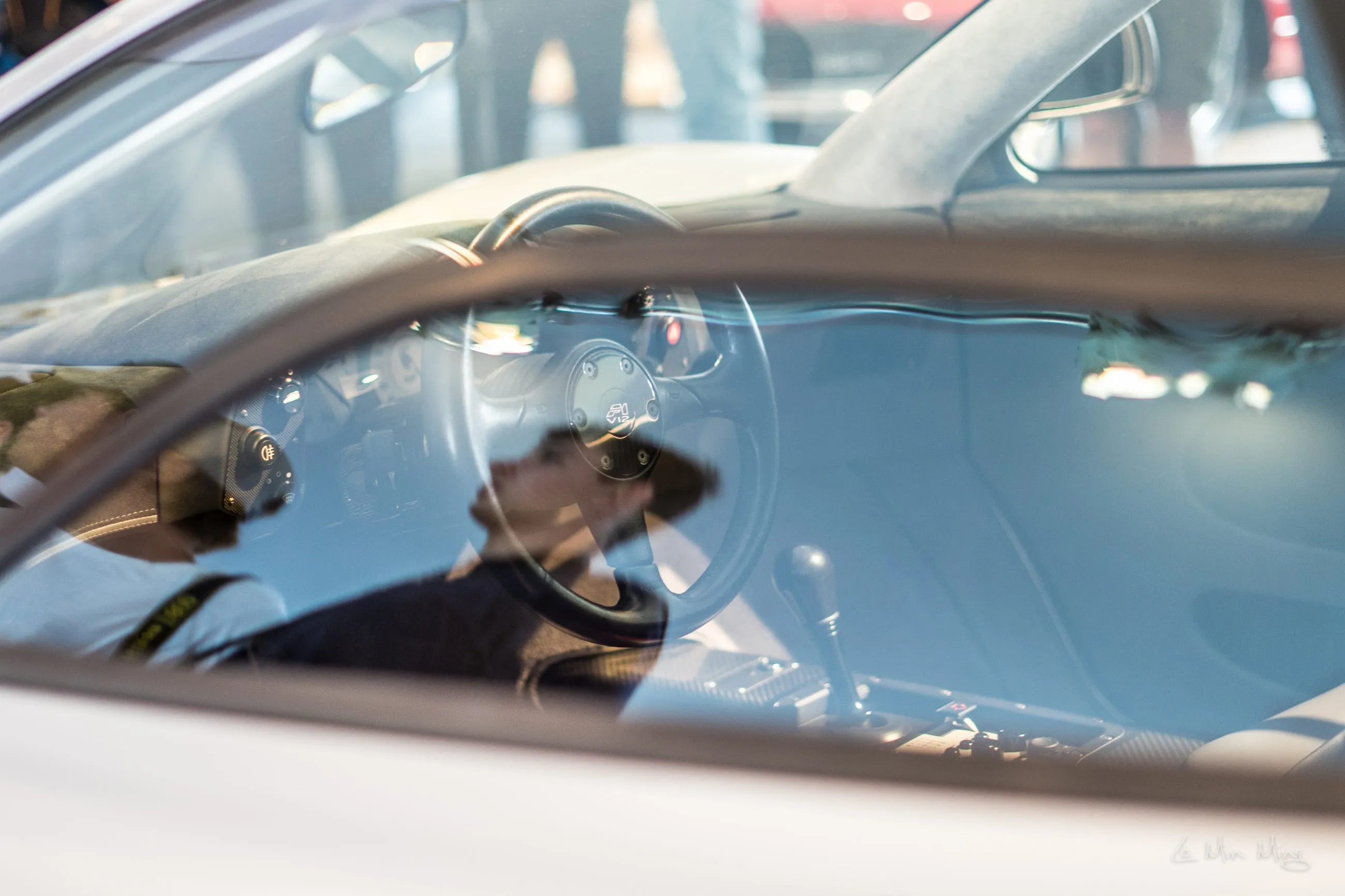
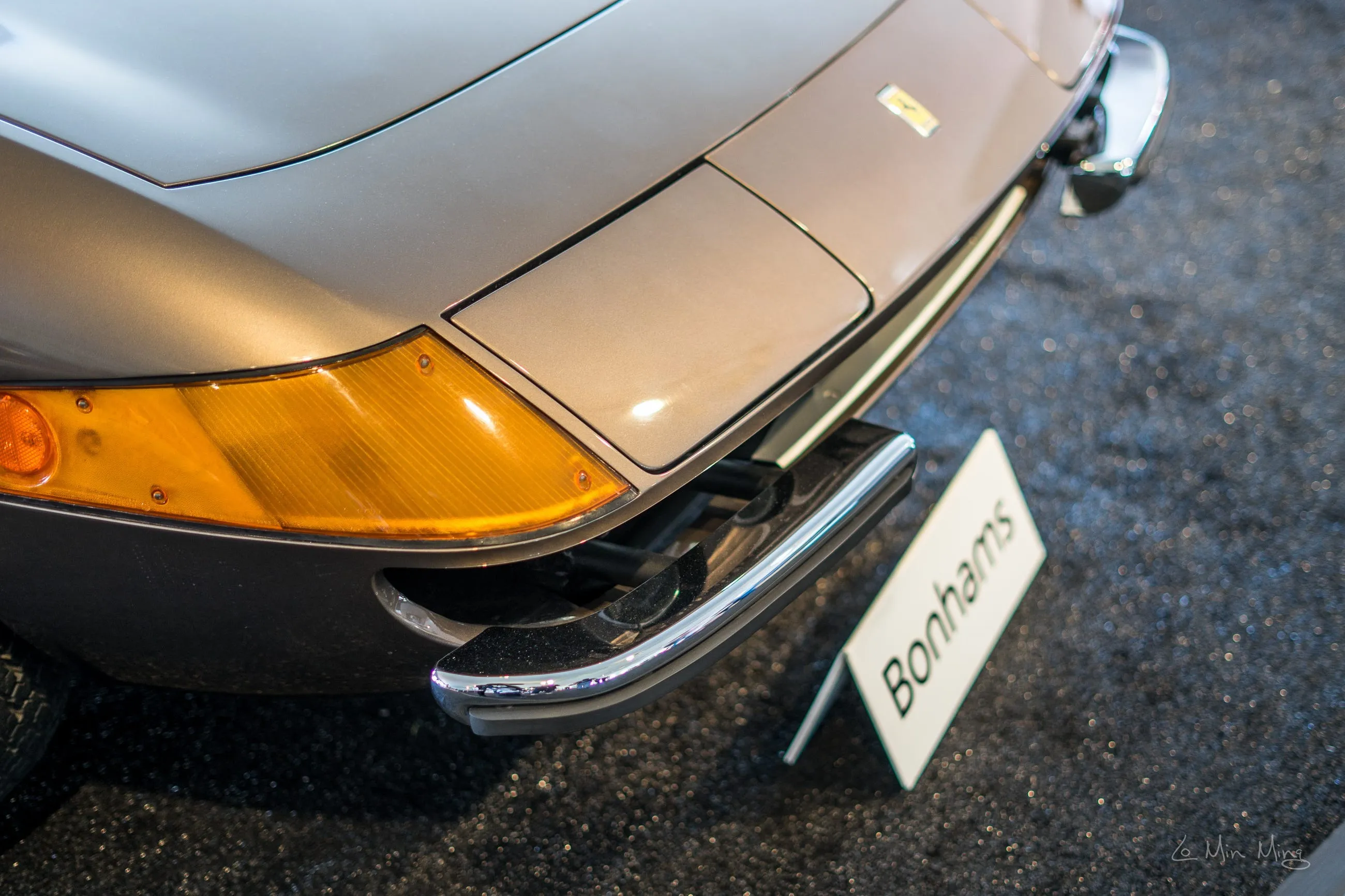
Maranello in the Modern Key
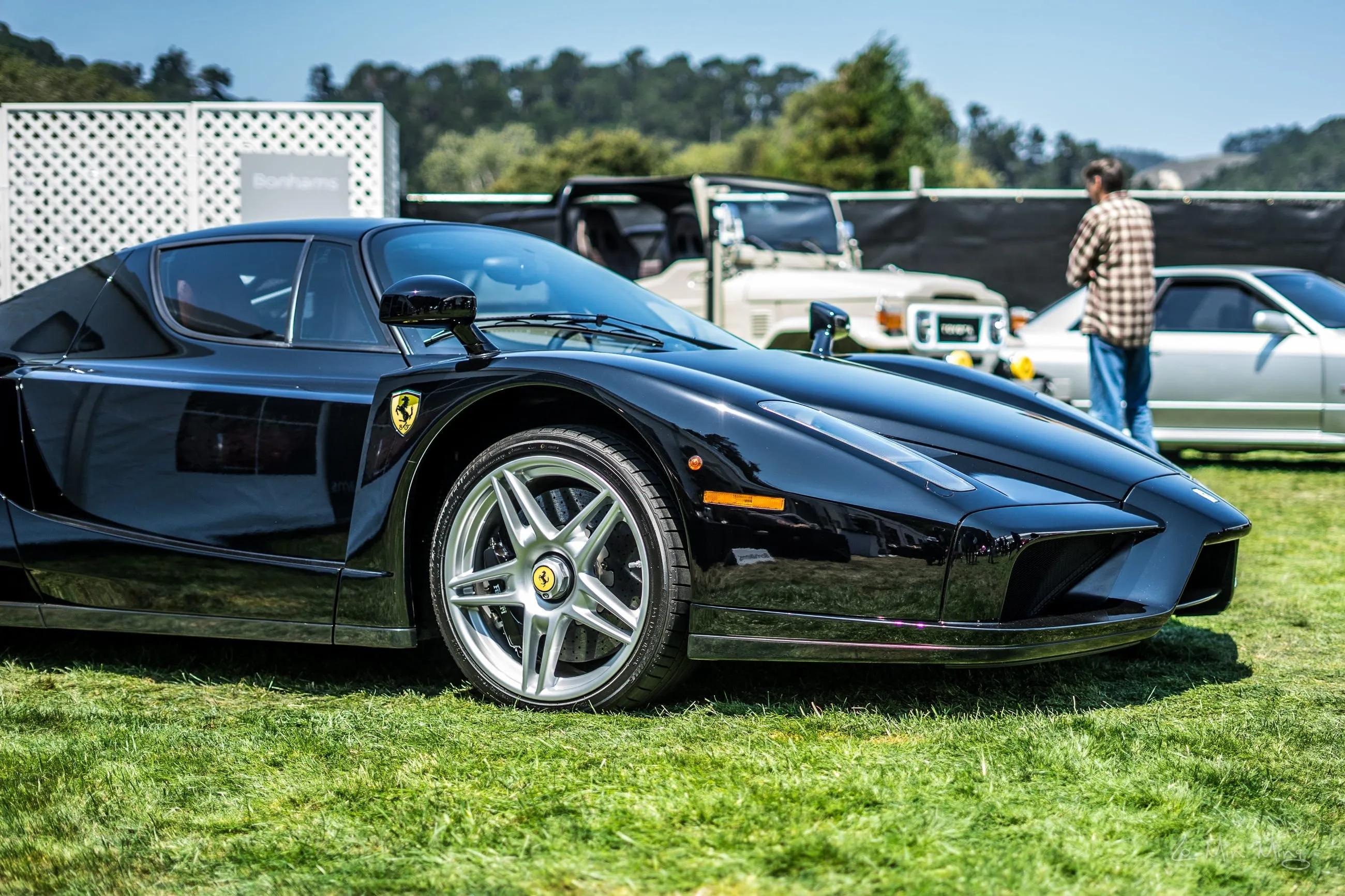
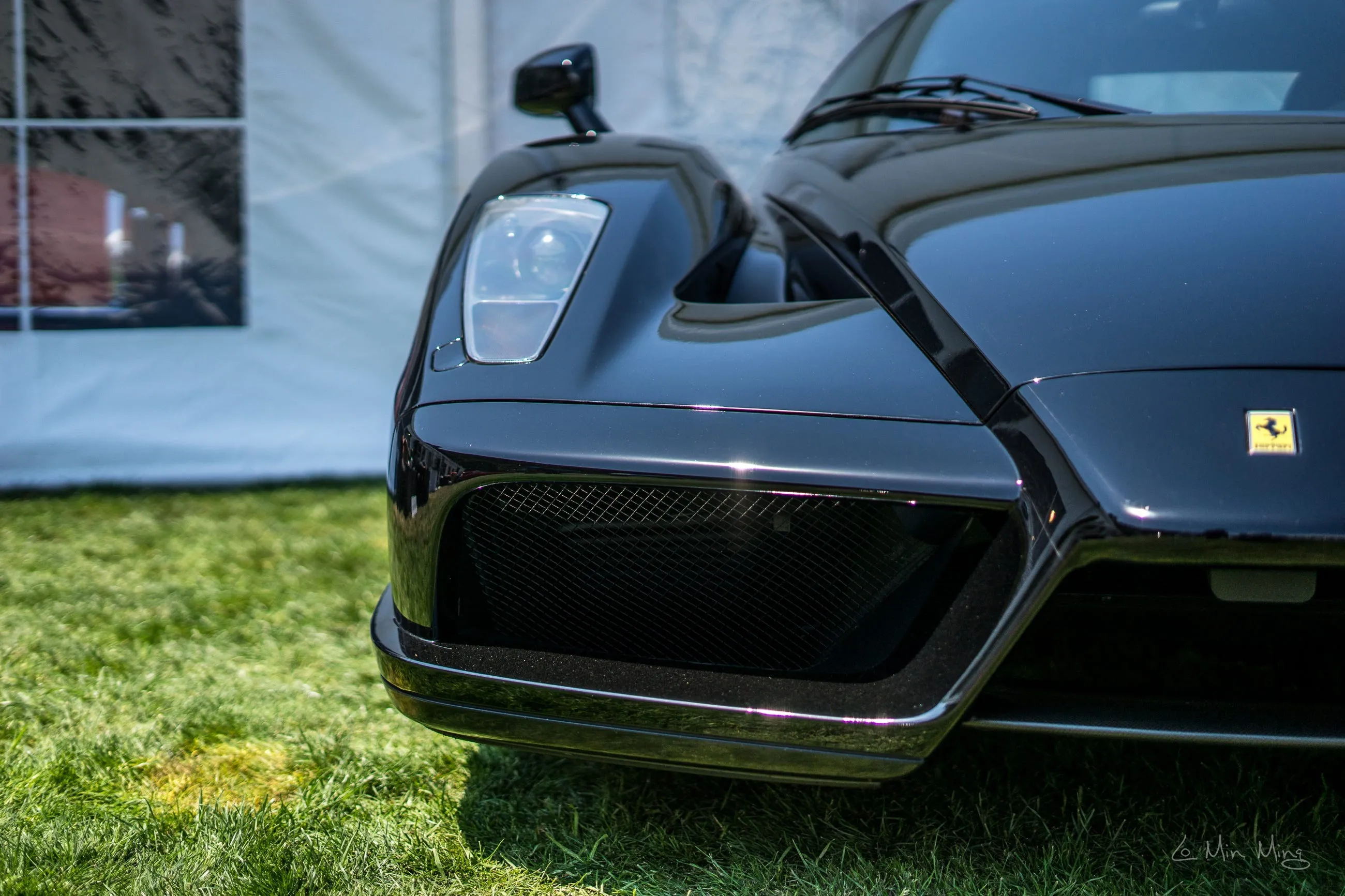
A 2003 Ferrari Enzo sold for $2,040,500, a useful reminder that the early-2000s flagship Ferrari now sits comfortably within the established collector landscape. The Enzo’s appeal has become clearer with age. What once seemed severe now reads as refreshingly uncompromising: carbon structure, naturally aspirated V12, single-minded packaging, and styling that refused prettiness in favor of function.
It is one of those cars whose reputation improves as the industry moves away from its values. The Enzo feels leaner and more focused now than it did when excess still passed for progress.
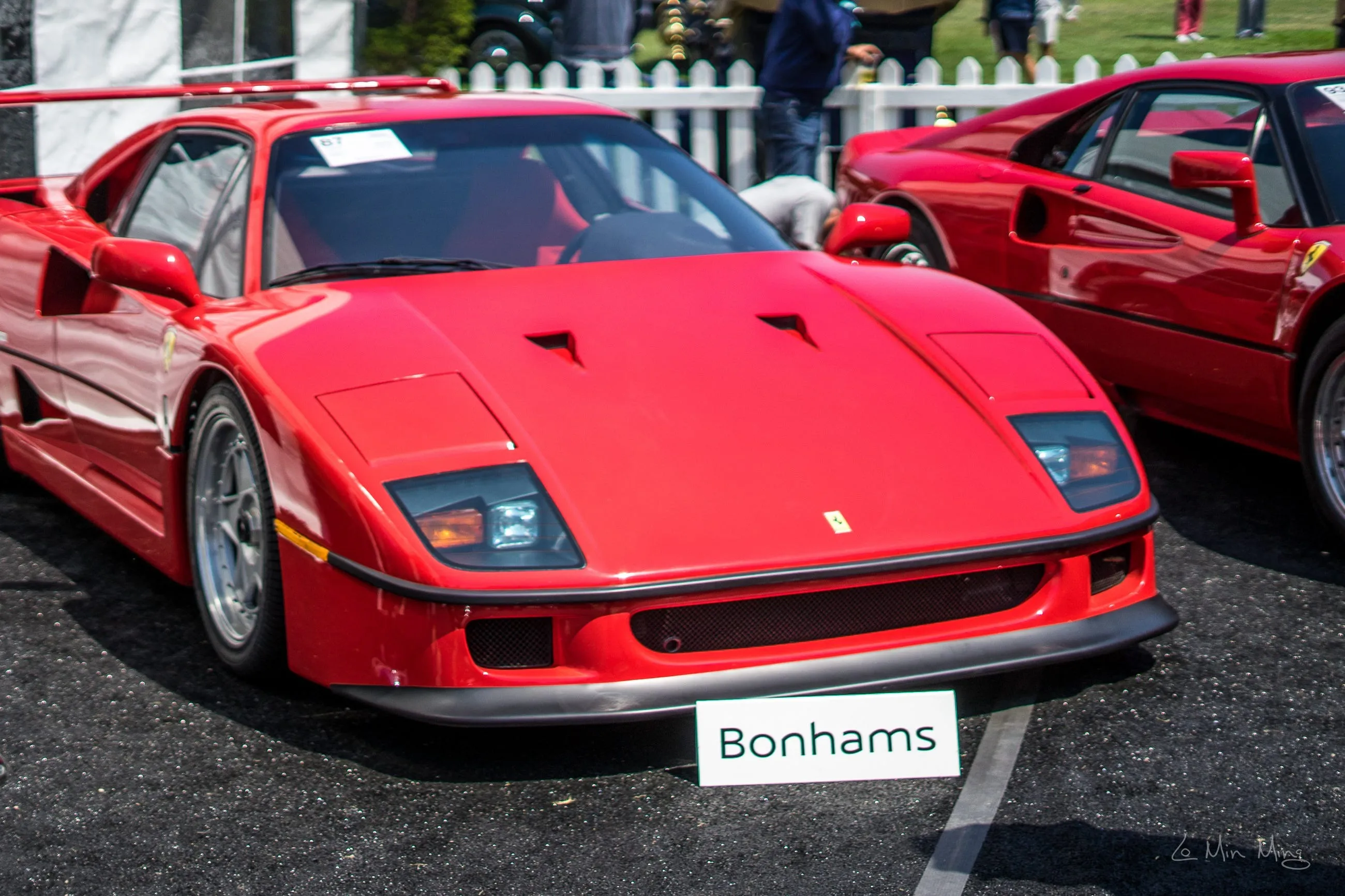
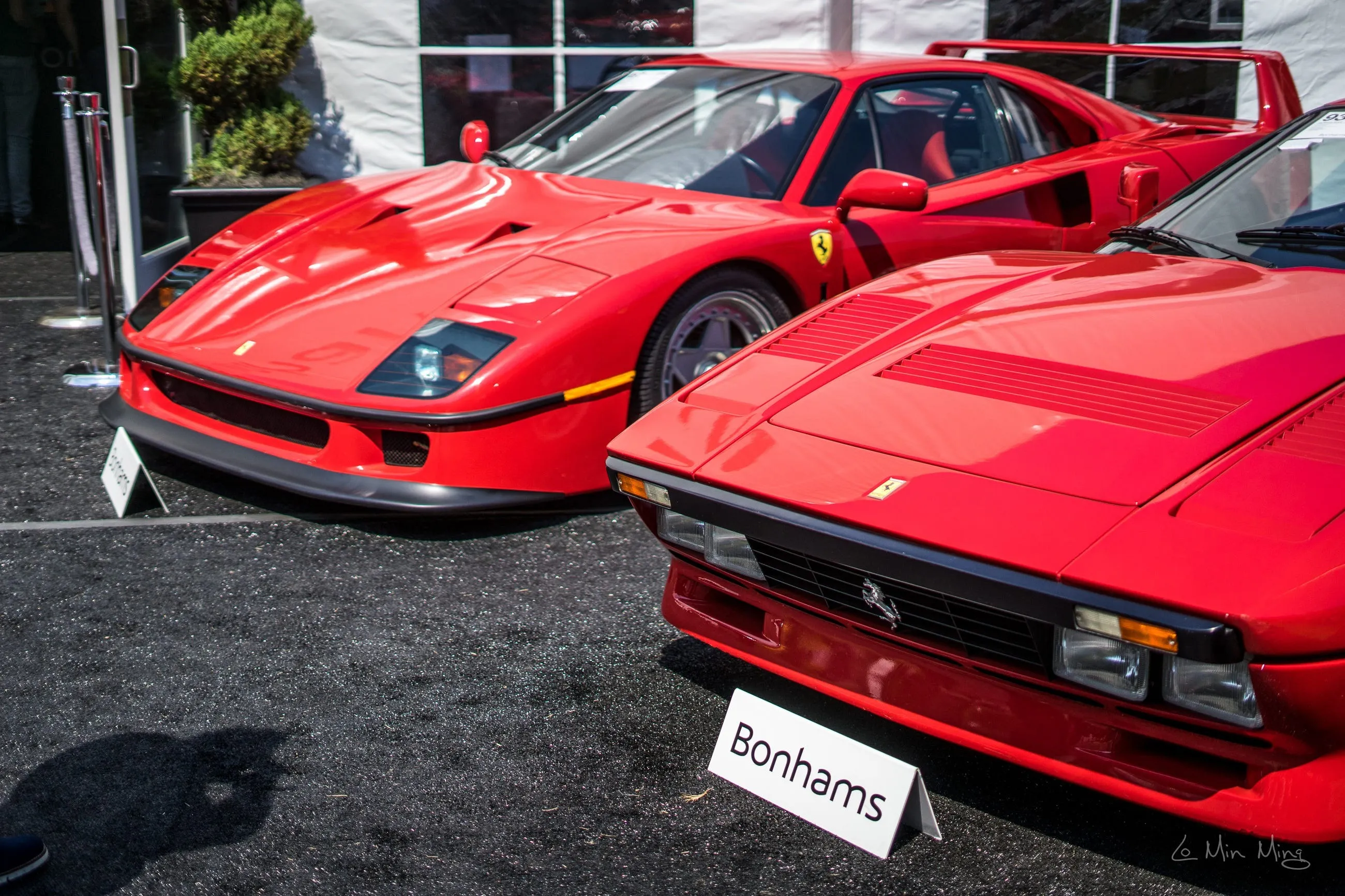
The 1990 Ferrari F40, sold here at $1.5 million, occupies a different emotional register. If the Enzo is technical and deliberate, the F40 remains stripped to first principles. Composite panels, boost, lag, heat, noise, and visual tension: the experience has no interest in soothing its driver. That severity is precisely why the F40 still commands such loyalty from serious enthusiasts.
The Rest of the Field
Part of the pleasure of Quail Lodge lies beyond the headline cars. The supporting cast often reveals the true intelligence of a sale: unusual specifications, well-kept grand tourers, discreetly important sports racers, and the occasional oddity that attracts the most informed crowd in the room.
An auction’s atmosphere is shaped by these cars as much as by its marquee lots. They create rhythm. They allow one to measure taste, not just wealth. And they remind collectors that provenance, condition, and correctness still matter more than noise.